Dental
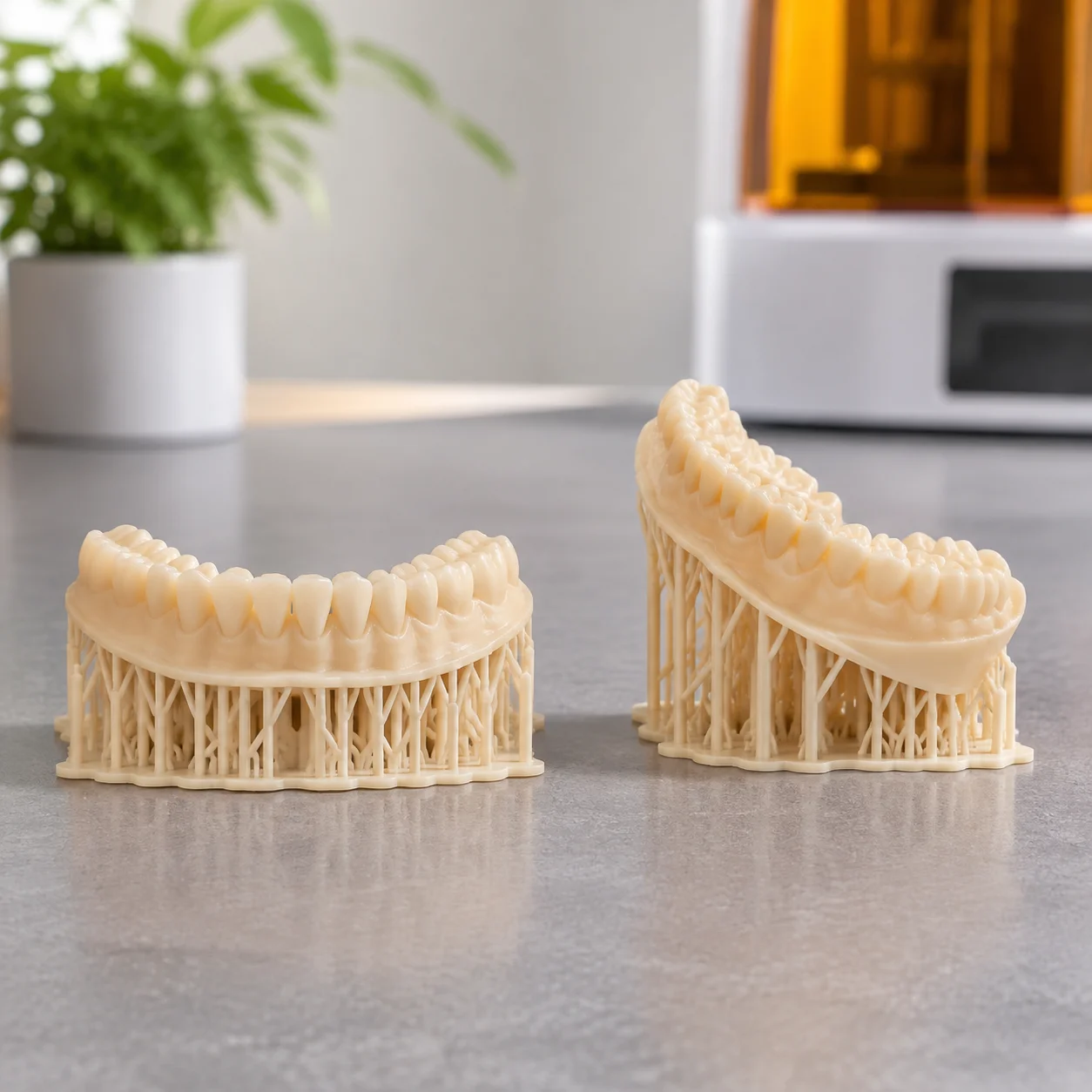
Dental Arch Flat versus Angled
Comparing occlusal accuracy and printing duration between horizontal base adhesion and 30-degree heel inclination.
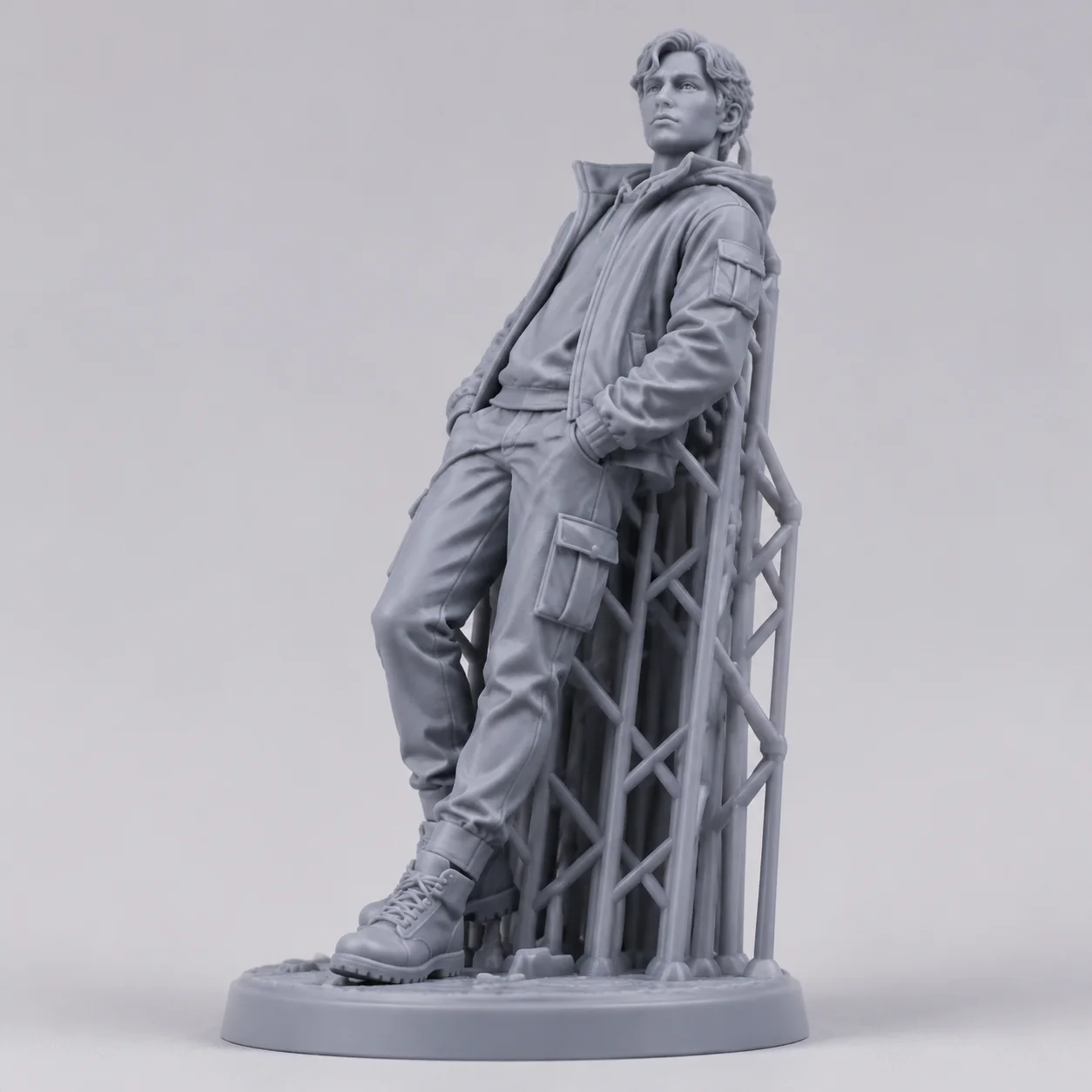
Preserving micro-sculpted facial contours, breastplate details, and weapon edges on tabletop miniatures by transferring support anchors to rear surfaces.
Baseline printer parameters configured for Standard Grey photopolymer resin and organic character figurines.
When fabricating heroic 32mm and 75mm tabletop miniatures, attaching support struts across eyebrows, nasal bridges, or mouth details leaves permanent pitting that ruins delicate painted surfaces. Orienting the figure face-up with a 45-degree backward pitch points the face directly away from the build platform. The laser beam resolves features through progressive layer stacking without direct support contact on the facial zone.
Standard Grey resin provides high dimensional firmness and sharp edge definition, making it ideal for rendering fine chainmail links and fabric folds. Tilting the torso back-first shifts peel mechanical tension downward along the spine, calves, and cloak hemline. These posterior zones accommodate medium support contact pins without affecting primary front-facing display angles.

Cross-sectional layer transitions designed to balance peeling pull forces during vat separation.
The spatial model demonstrates how a rearward tilt smooths cross-sectional area transitions across consecutive layers. Instead of creating a massive suction zone when curing the chest and shoulders simultaneously, the angled silhouette breaks the curing plane into progressive diagonal slices. Peel separation begins at the cloak tip and heels, climbing gently toward the head. Resin drains freely from facial recesses without settling inside eye sockets.
Quantitative breakdown of contact tip diameters, overhang limits, and clean surface targets.
Maintaining fine facial detail on character figures requires isolating local minimums before slicing. Any unsupported downward-pointing island, such as an earlobe or weapon pommel, can cause layer delamination. Apply these rules during model preparation:
Detailed guidance addressing layer stepping, orientation trade-offs, and miniature post-processing.
Send your digital sculpt coordinates to review overhang angles and pillar contact distribution.
Discuss your figurine build parameters with our technical team to optimize peel force dispersion and preserve delicate facial sculpts.
Explore alternative orientation strategies across technical and artistic SLA printing applications.
Dental
Comparing occlusal accuracy and printing duration between horizontal base adhesion and 30-degree heel inclination.
Structural
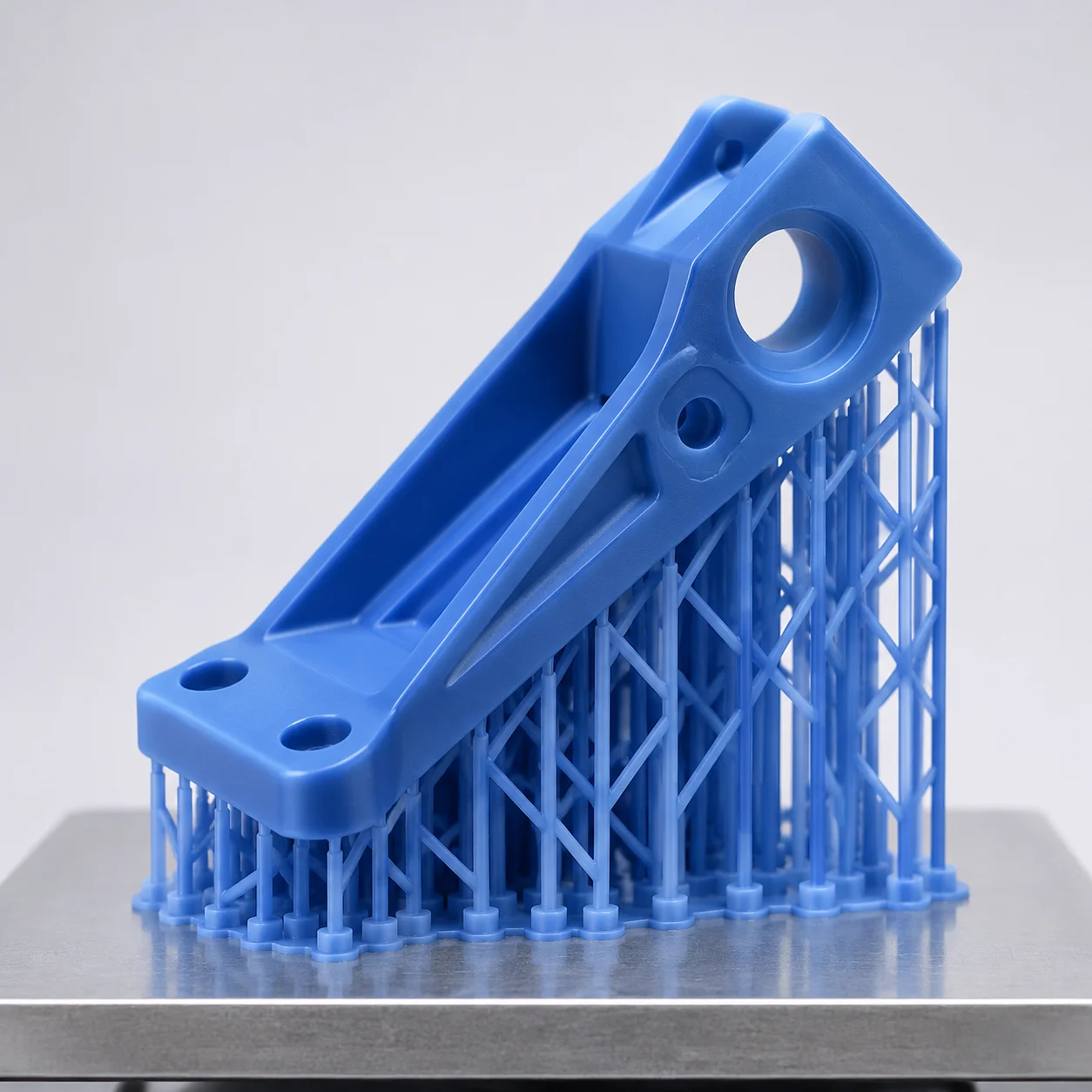
Angling structural brackets to balance peel loads and prevent support scarring on critical bearing bores.
Housings
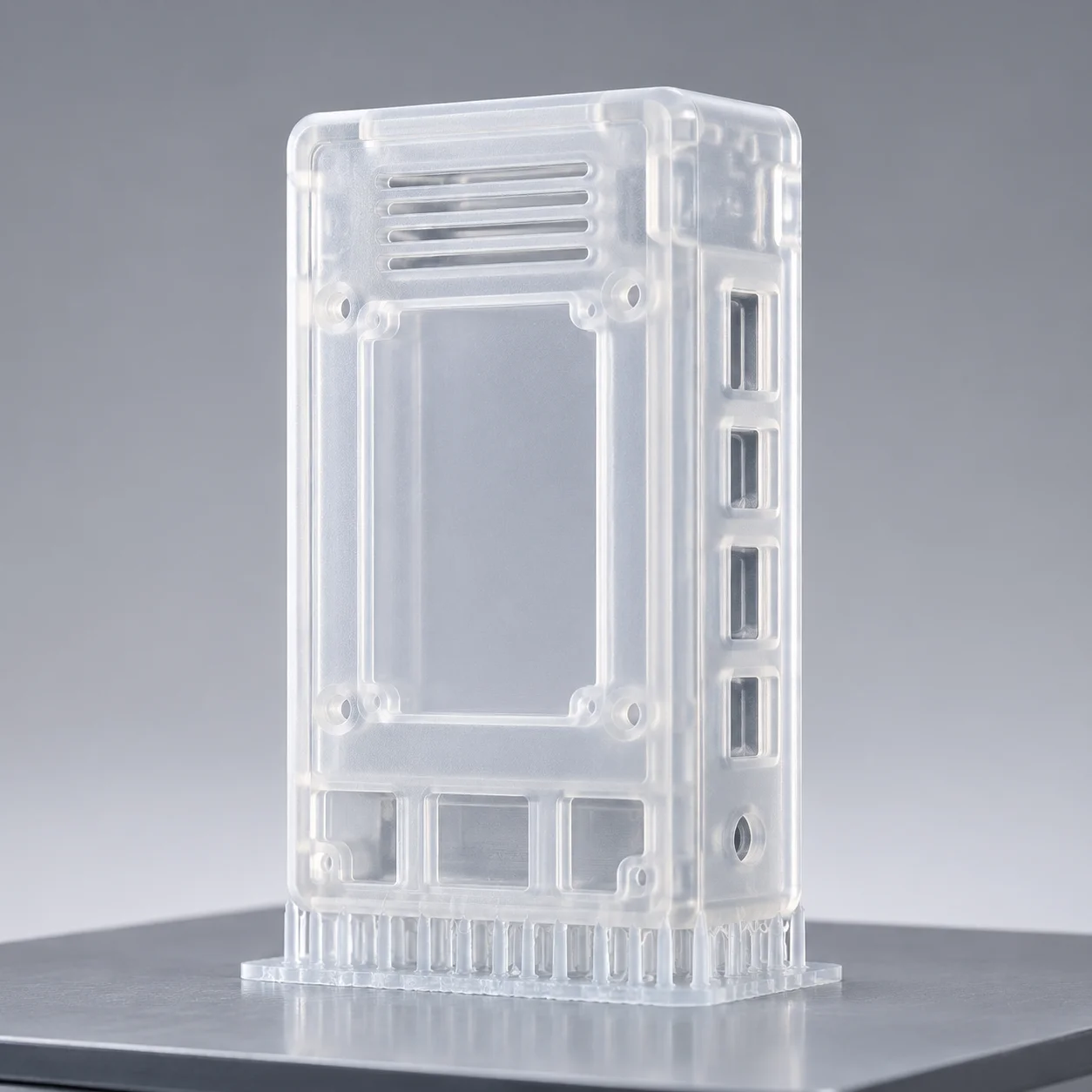
Maximizing print bed density and wall flatness by mounting thin-walled electronics boxes vertically.