
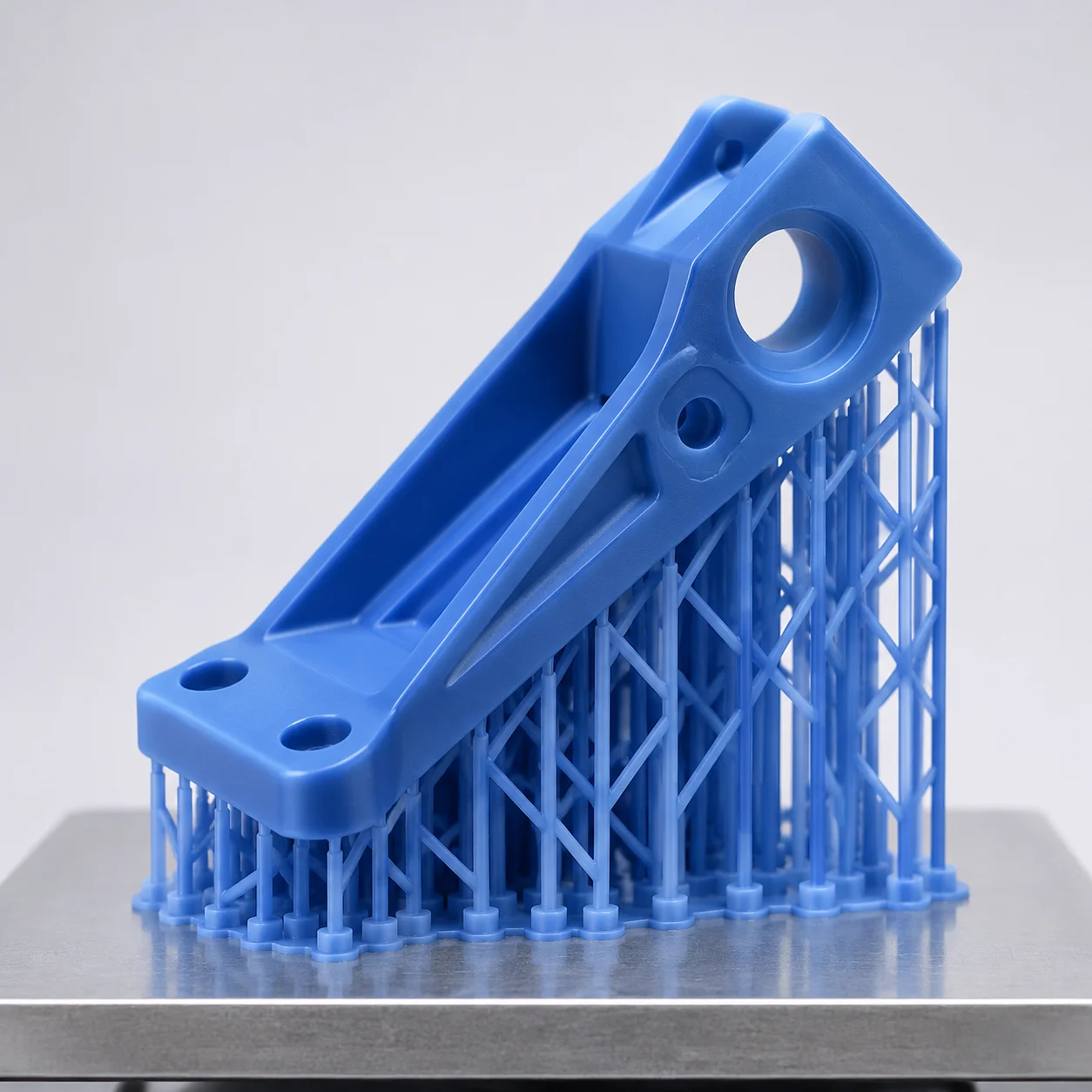
Tough ResinMedium
Mechanical Bracket Forty Five Degree Tilt
Evaluating layer peel gradient and strut anchor contact points on high-load angular mounts to preserve bolt-hole circularity.
Comparative laboratory examinations analyzing build plate angles, structural cantilever stability, and finish quality benchmarks across SLA resin formulations.
Review comprehensive stereolithography test studies evaluating peel forces, cross-sectional surface delta, drain paths, and visible face pin density across diverse engineering geometries.
Evaluating layer peel gradient and strut anchor contact points on high-load angular mounts to preserve bolt-hole circularity.
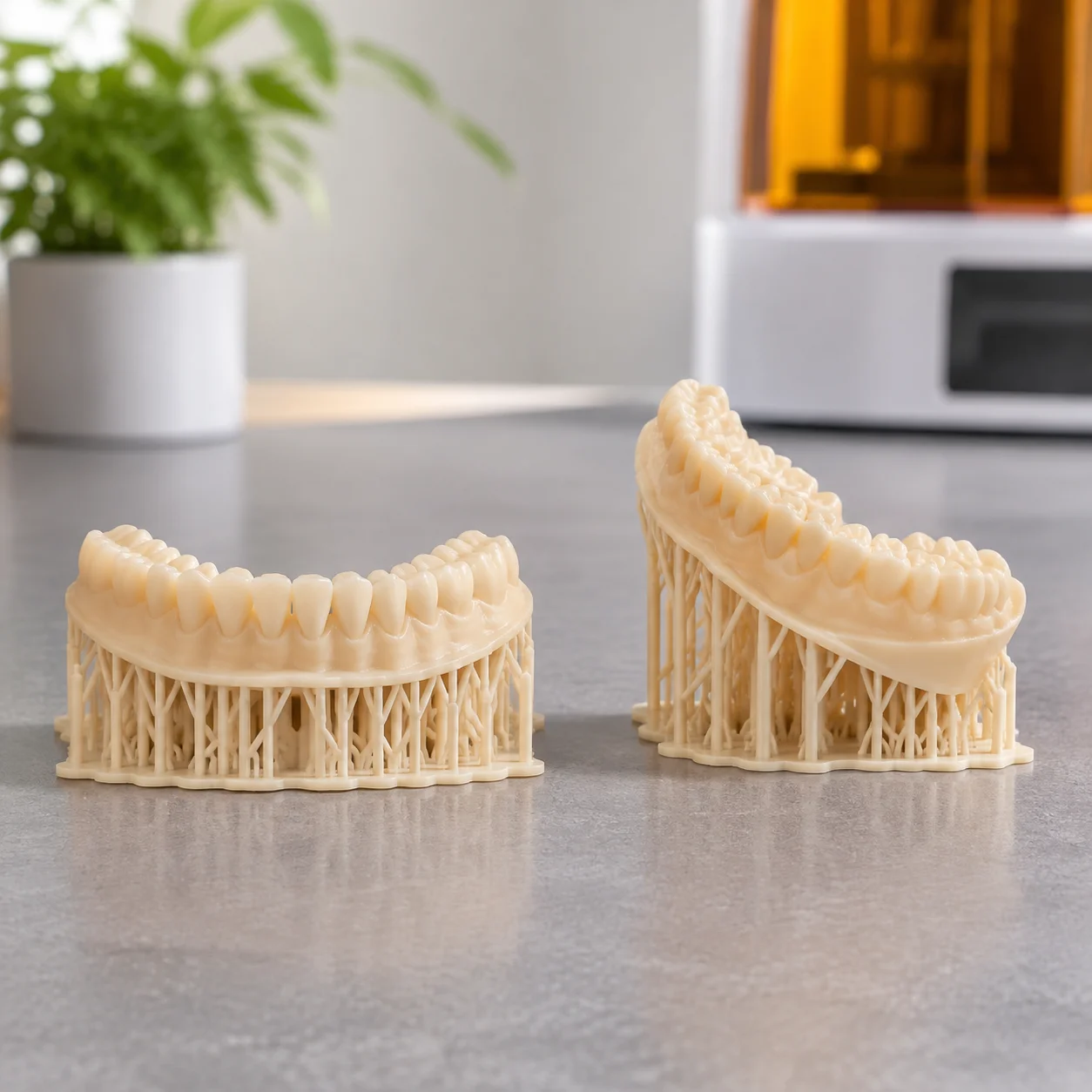
Comparing margin line preservation, occlusal surface isolation, and overall build plate yield between flat and vertical canted trajectories.
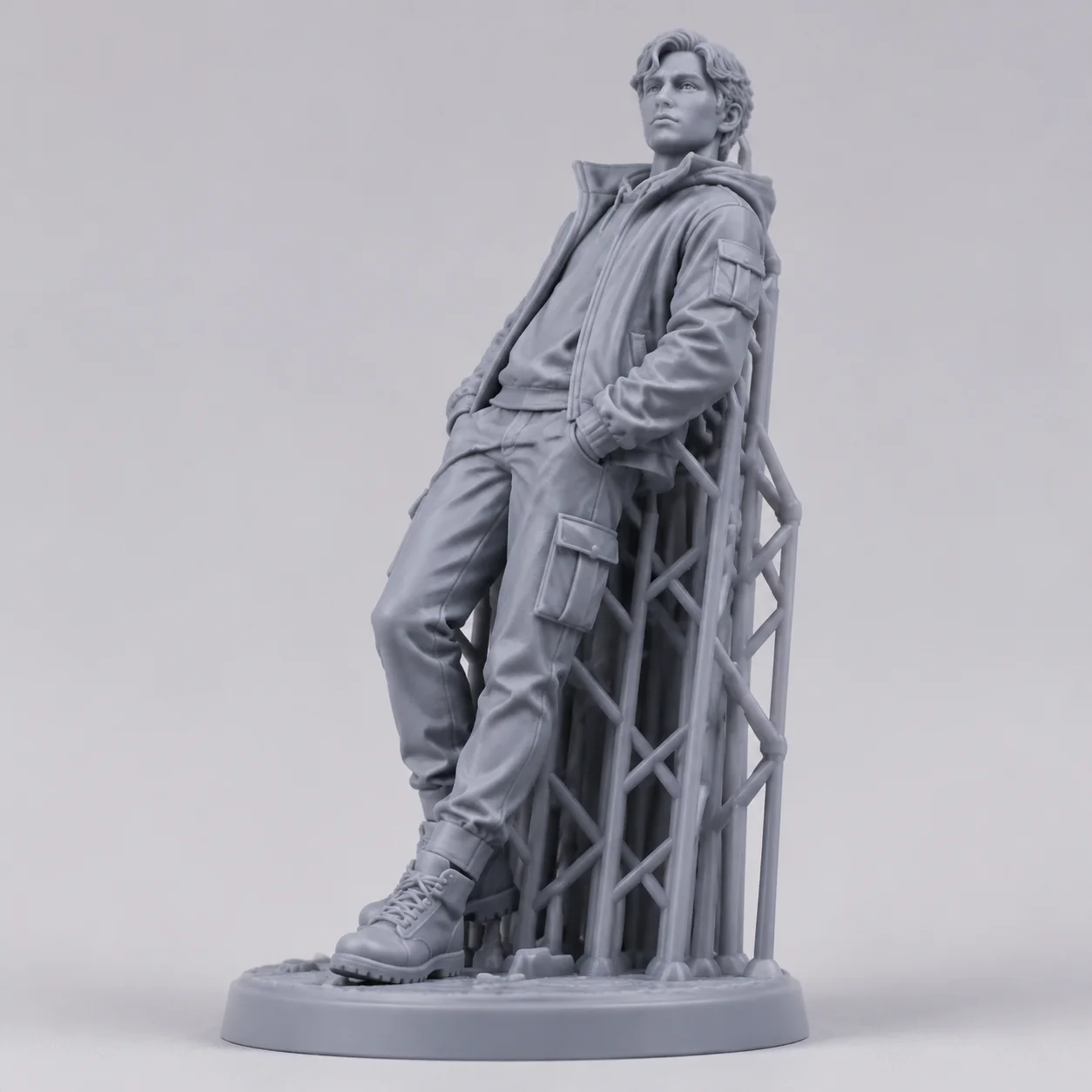
Strategies to prevent facial support scarring through controlled backwards inclination and rear-positioned break-away contact tips.
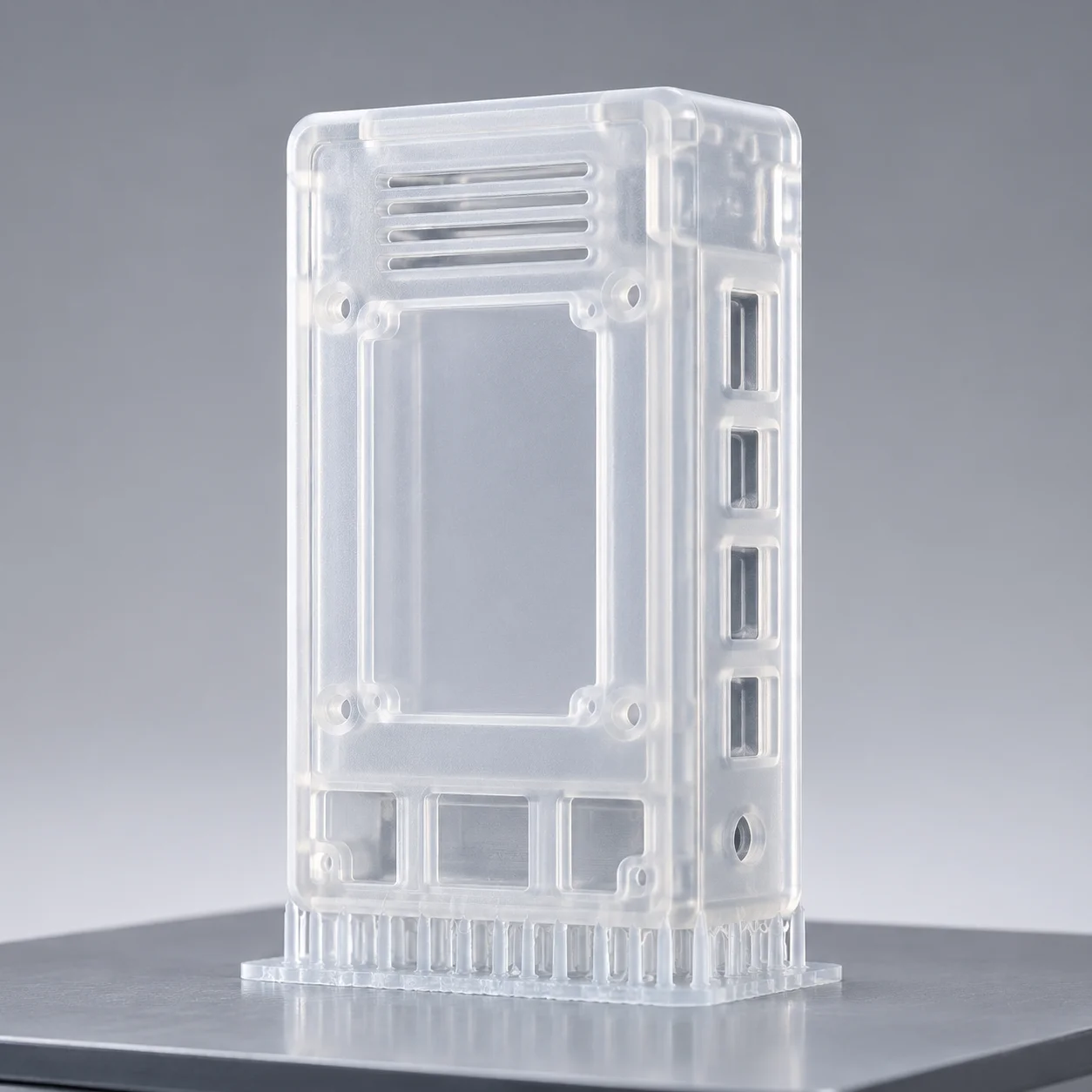
Eliminating suction cupping on hollow geometric chassis through vertical elevation and calculated air relief gaps.
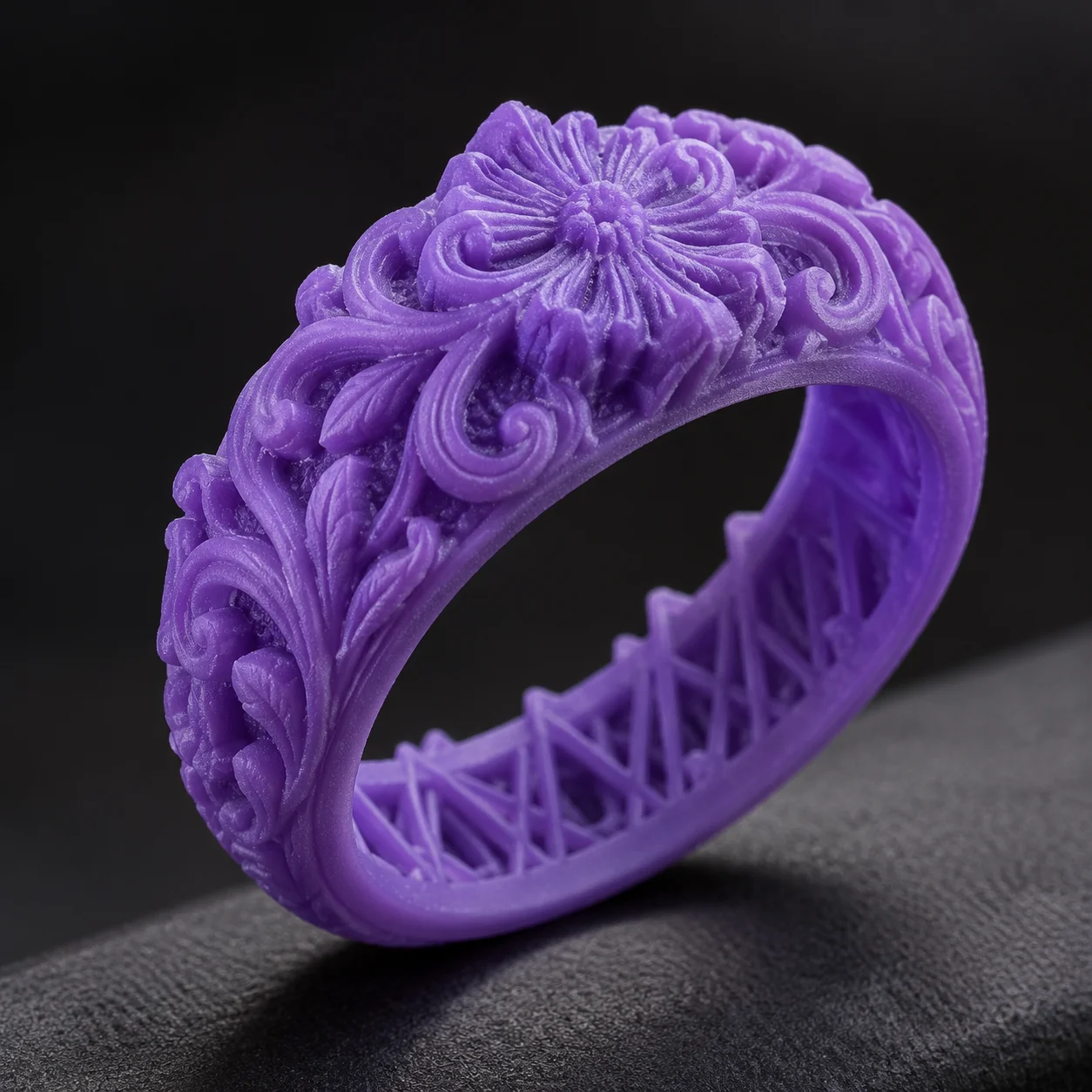
Micro-contact anchoring positioned along the internal shank line to protect intricate outer pavé settings during investment burnout.
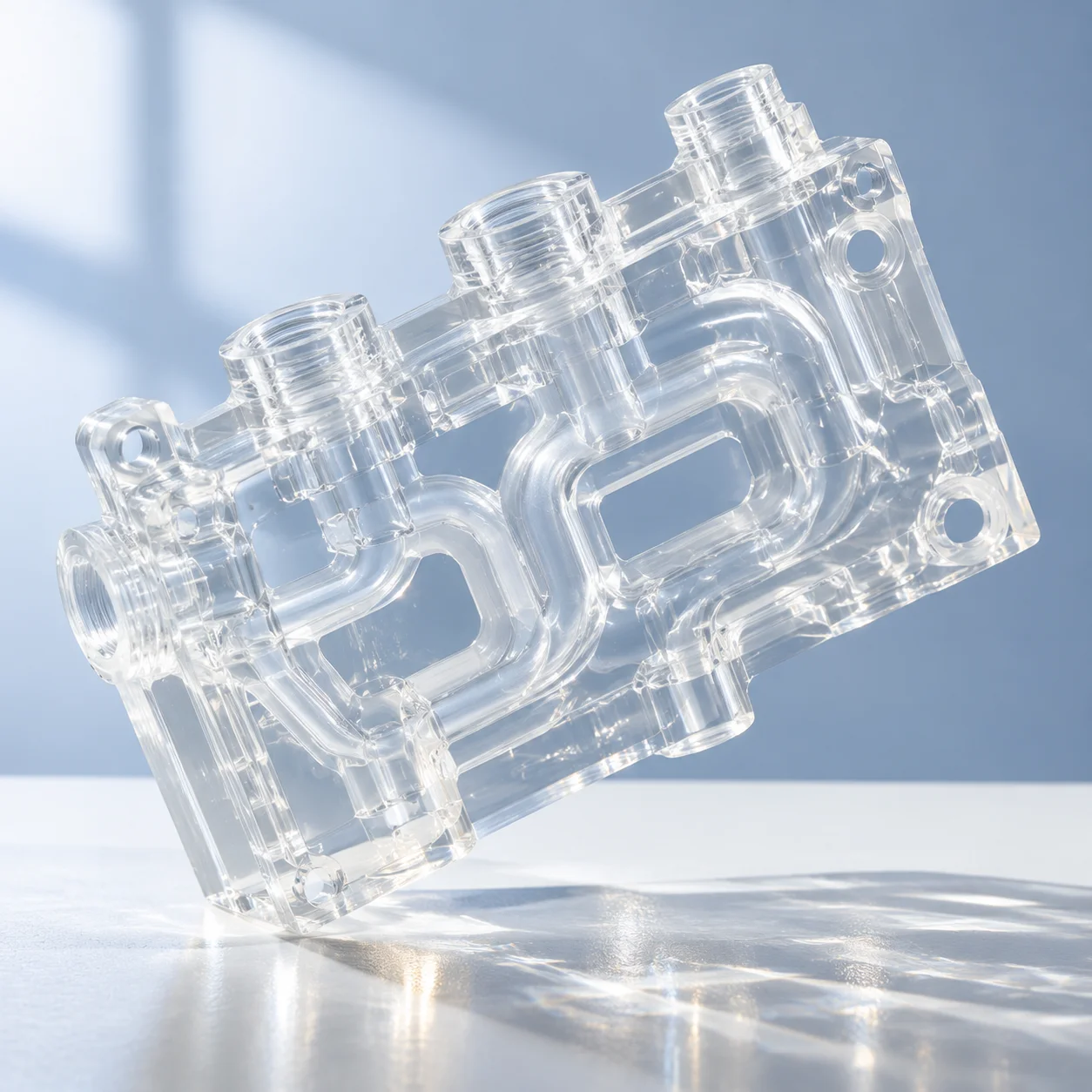
Targeted angling to clear liquid resin pooling inside internal conduits during vat detachment and subsequent wash cycles.
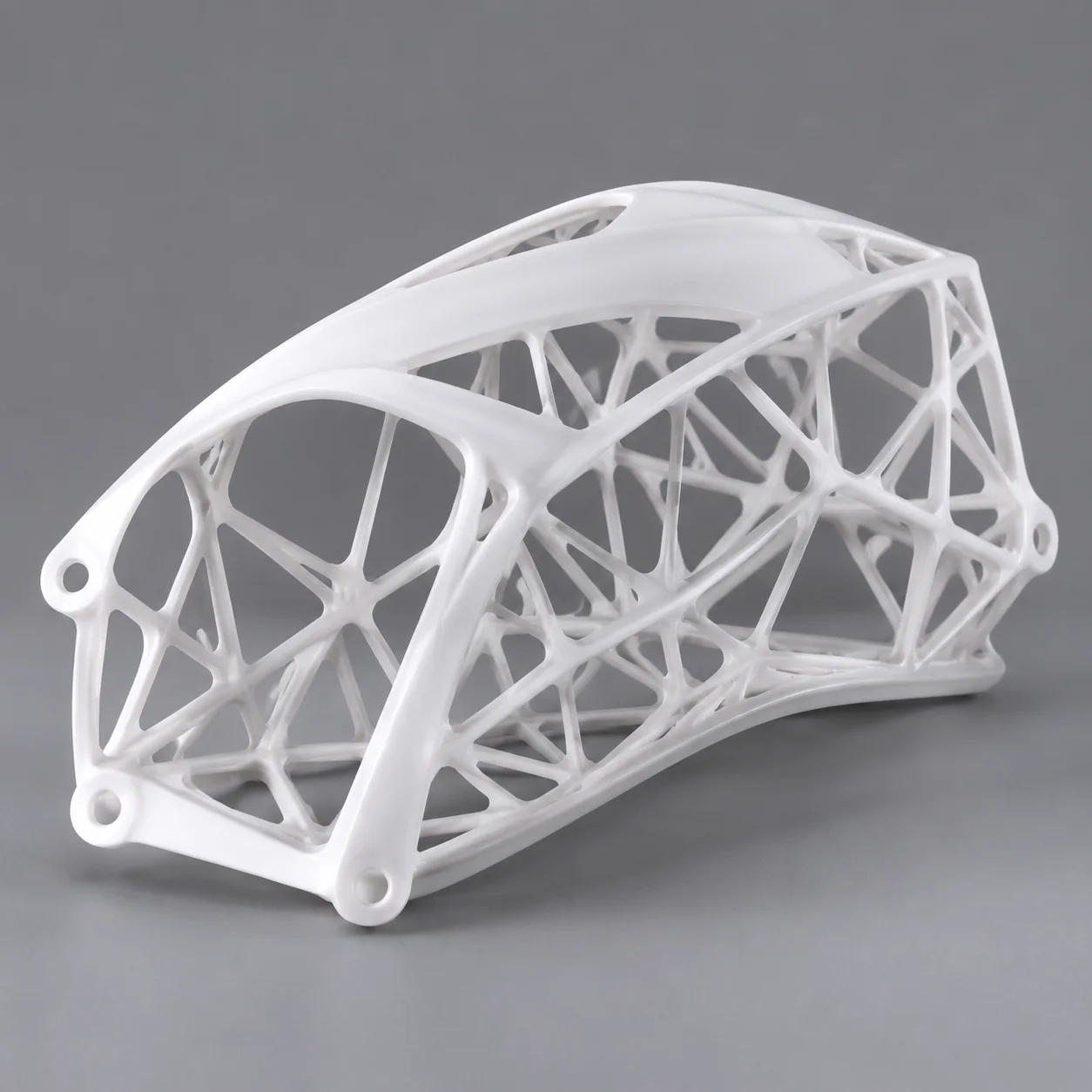
Bracing tall 0.8mm rib structures against peel delamination using gusset reinforcement and progressive contact spacing.
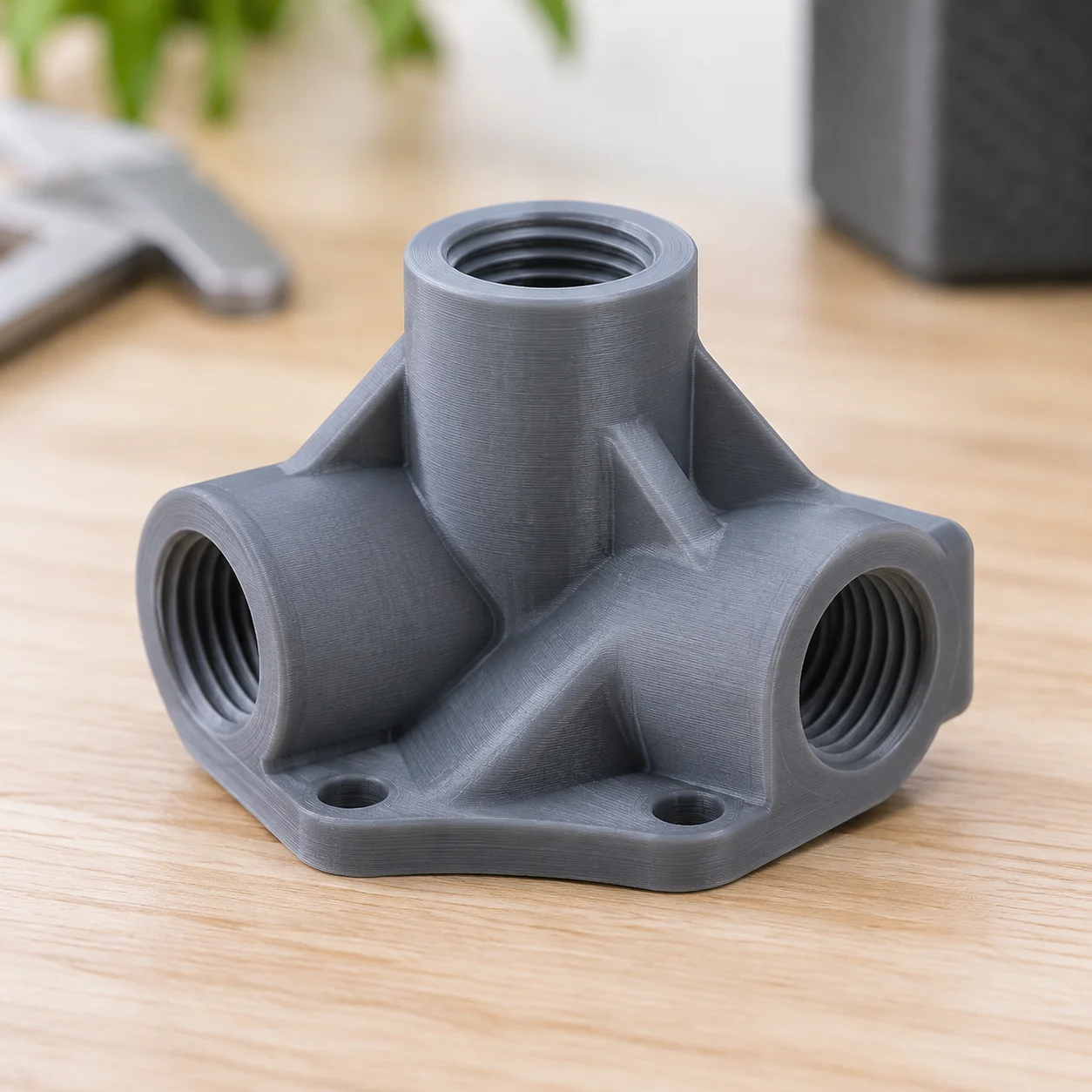
Preventing resin blockage and thread tear-out along fine metric internal pitches through vertical alignment and air escape vents.
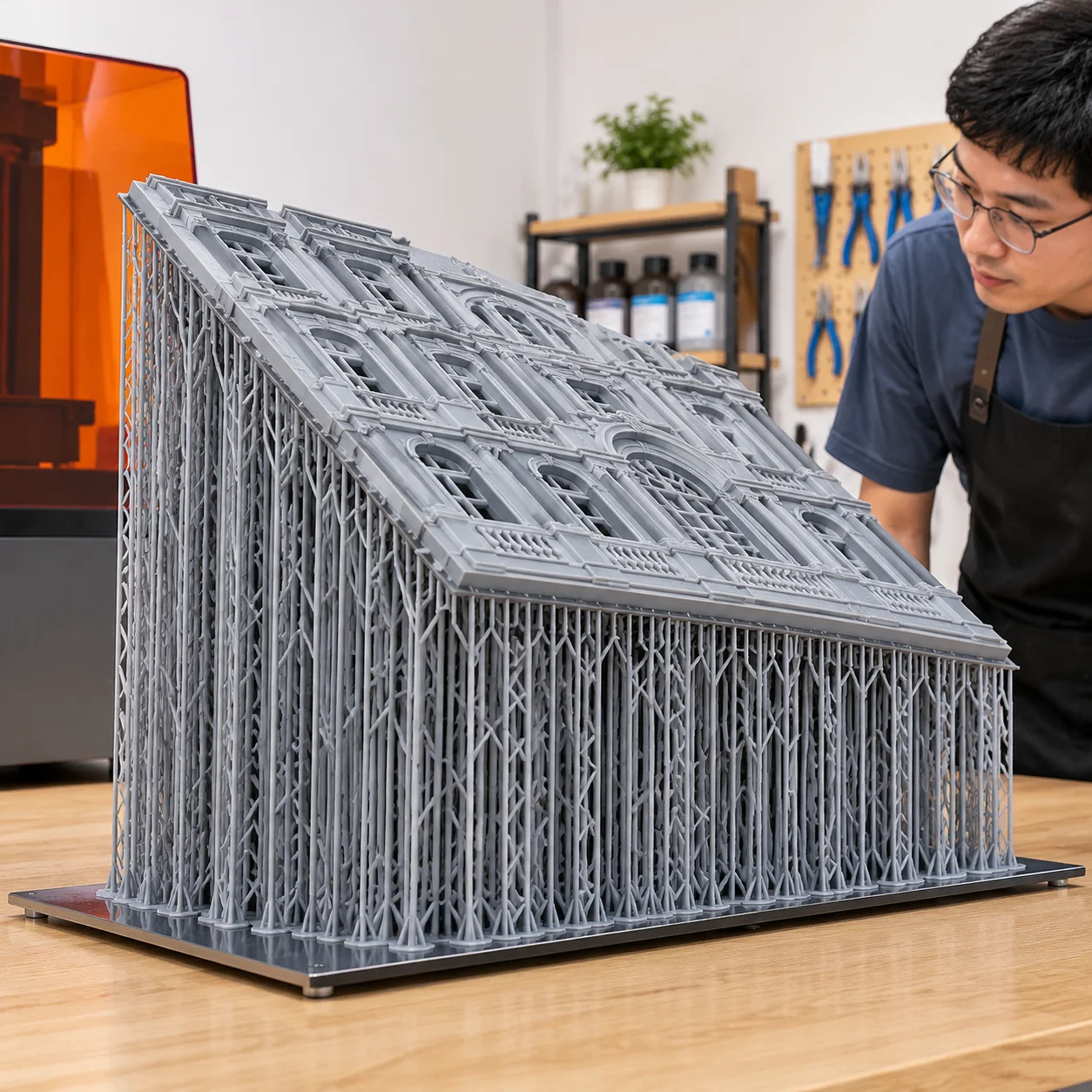
Minimizing cross-sectional layer area to prevent layer separation and build table shift across wide horizontal planar plates.
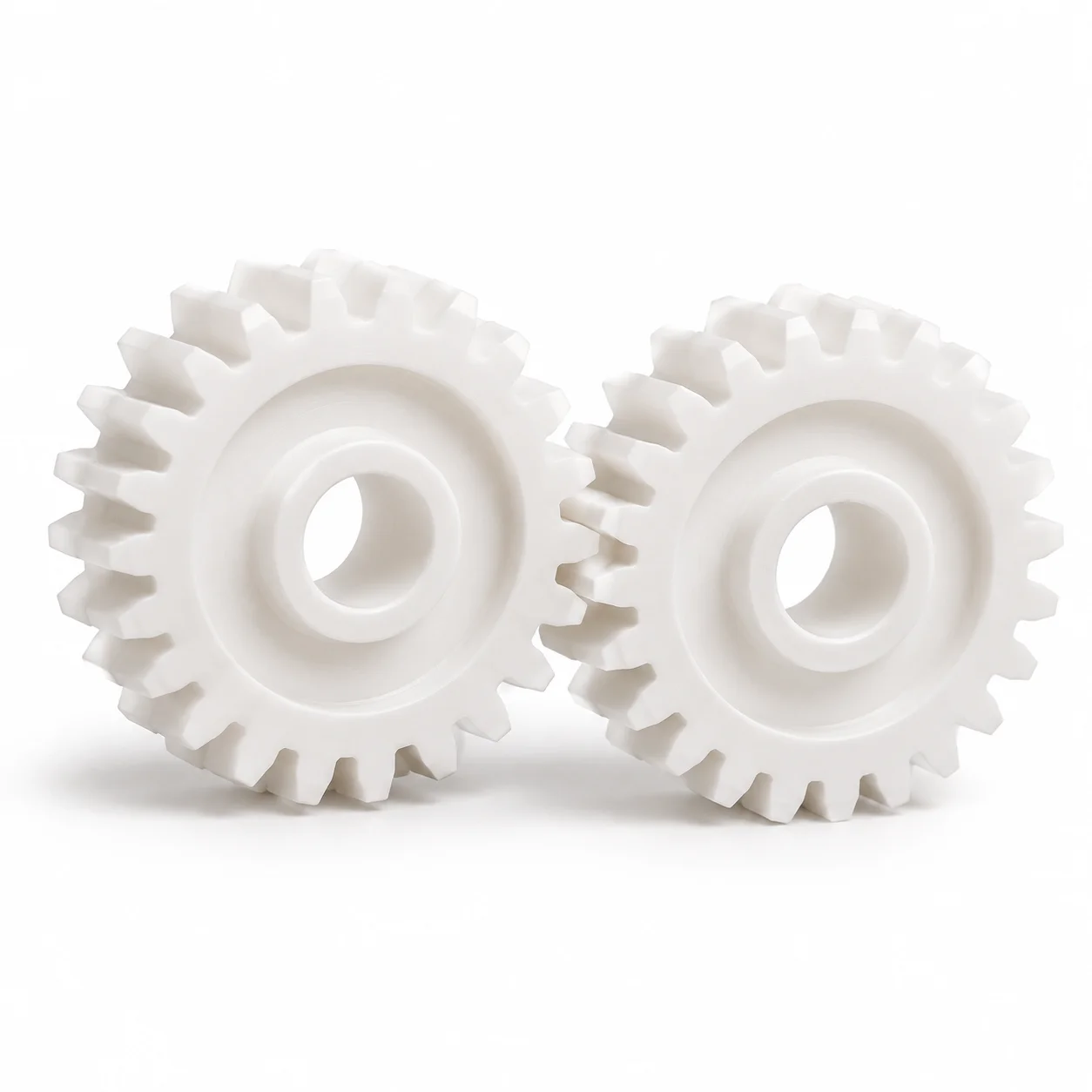
Maintaining clearance tolerances and preventing joint fusion across pre-assembled articulating mechanisms during UV cure cycles.
Submit your custom model geometry parameters or select any orientation prototype above to discuss support placement strategies, slice peel mechanics, and surface preservation with laboratory technicians.